
Logistics Is More Than Moving Products
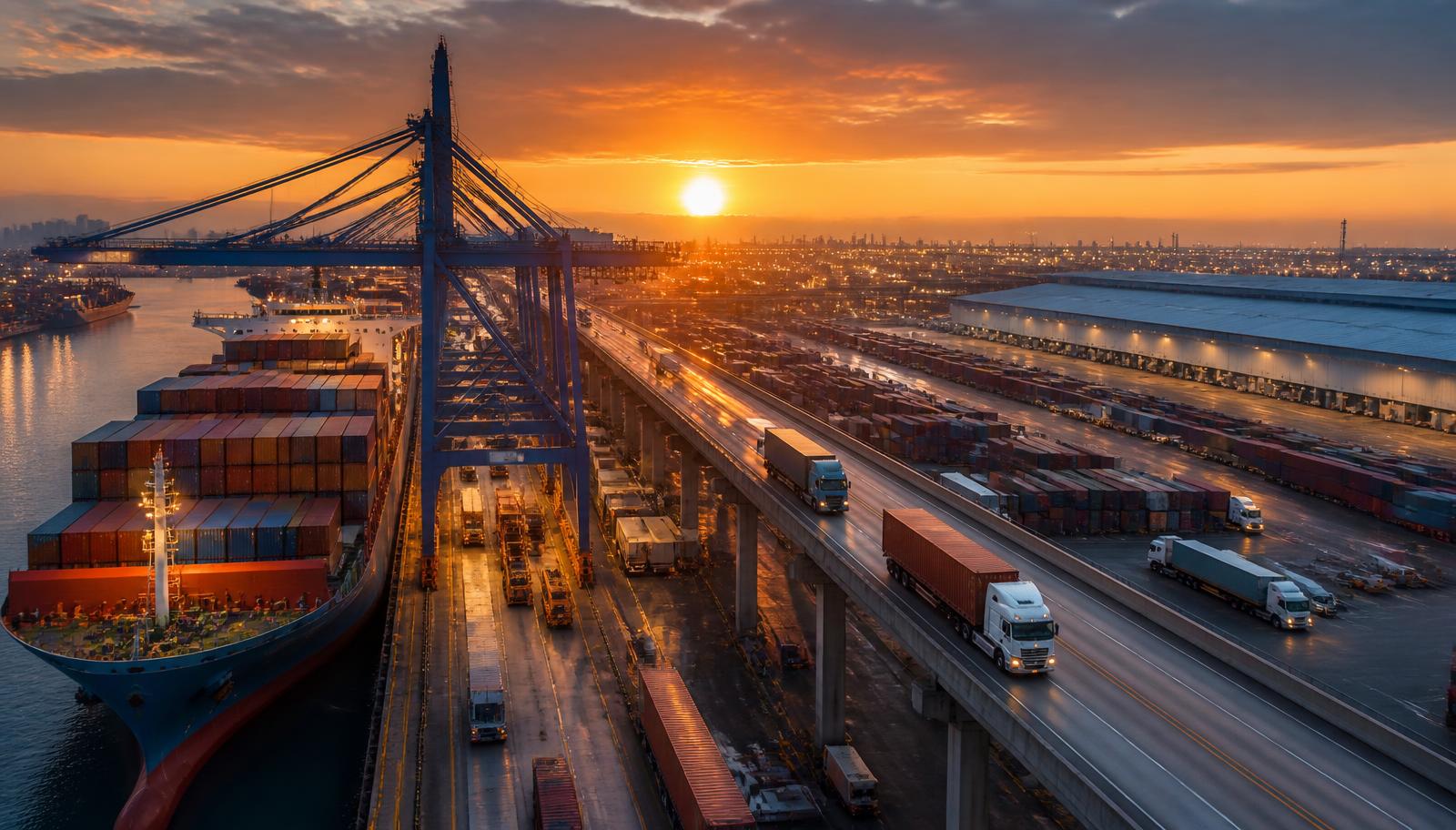
Why modern logistics has become a strategic advantage in international trade.
When most people hear the word logistics, they think of transportation. In reality, transportation is only one part of a much larger system that includes warehousing, documentation, customs coordination, inventory management, distribution planning, and information systems.
Logistics Connects Every Stage of Trade
Modern logistics coordinates manufacturing, storage, customs, transportation, warehousing, and final delivery into one connected process. Each stage depends on the one before it, and a delay in documentation or customs clearance can affect the entire journey of a shipment.
Visibility Has Become Just as Important as Movement
Shipment tracking, documentation status, inventory visibility, and communication help organizations respond more effectively when conditions change. Knowing where a product is—and what still needs to happen before it arrives—has become as valuable as the transportation itself.
The movement of products depends on the movement of information.
Timing Creates Value
Reliable logistics creates value through predictability as well as speed. Consistent arrival windows allow buyers to plan production, manage inventory levels, and serve their own customers with confidence.
Technology Is Expanding Logistics Capabilities
Digital platforms, warehouse systems, shipment tracking, and customs modernization continue to transform global logistics, connecting participants that once worked in isolation.
Looking Ahead
Future logistics networks will emphasize visibility, collaboration, automation, and digital information sharing.
Why It Matters
Understanding logistics as a coordinated system provides a broader perspective on how international trade operates.
Key Takeaways
- Logistics extends beyond transportation.
- Modern logistics coordinates products, information, infrastructure, and timing.
- Visibility is a strategic capability.
- Reliable logistics supports planning and customer service.
- Technology continues to reshape logistics.
Sources & References
- World Bank — Why Smarter Logistics Are Essential for Trade, Growth, and Jobs
- World Bank — Logistics Performance Index
- OECD — OECD Supply Chain Resilience Review
- World Customs Organization — Smart Customs Project