
How Changing Trade Policies Are Reshaping Global Commerce
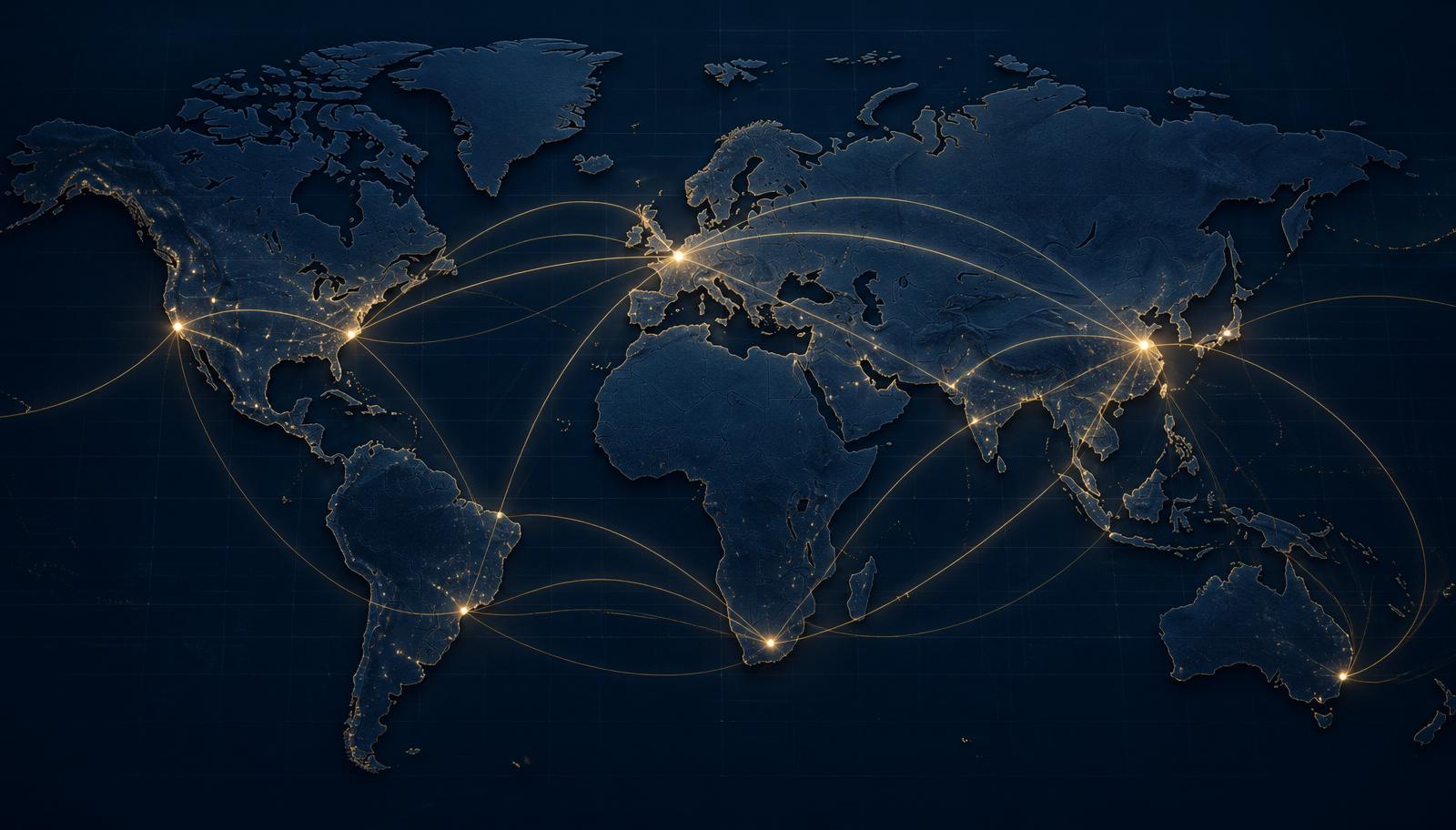
An educational overview of how evolving trade policies, tariffs, and regulatory developments are influencing global commerce and international supply chains.
International trade has never been static. Throughout history, governments have adjusted trade policies in response to economic priorities, geopolitical developments, and domestic industries. In recent years, however, the pace of change has accelerated.
New tariff measures, evolving trade agreements, shifting customs policies, and ongoing negotiations between major economies are creating a more dynamic global trading environment. While individual policy announcements often dominate headlines, their broader significance lies in how they influence supply chains, sourcing, logistics, and international business relationships over time.
Rather than viewing these developments as isolated events, many industry observers see them as part of a broader evolution in global commerce—one in which adaptability and access to reliable information are becoming increasingly valuable.
Recent U.S. actions involving Brazil, Canada, Mexico and other trading partners demonstrate how trade policy has become more active than in previous decades. Rather than representing isolated events, these developments illustrate an increasingly dynamic international trading environment.
An Increasingly Connected Marketplace
One of the most interesting developments in modern commerce is not the tariffs themselves—it is the speed at which their effects travel. A policy announced in one country can influence manufacturers on another continent, alter shipping schedules, affect procurement timelines, and shape purchasing decisions in markets thousands of miles away.
Global commerce is increasingly shaped not only by the movement of products, but also by the movement of information.
Information Has Become Part of the Supply Chain
Historically, supply chains were viewed primarily through the movement of physical goods. Today, many professionals recognize that timely, accurate information has become equally important. Trade policies, customs requirements, freight availability, regulatory updates, and market conditions all contribute to understanding international commerce.
Looking Beyond the Headlines
Although tariffs often receive the greatest public attention, they represent only one aspect of international trade. Businesses also monitor customs classifications, trade agreements, country-of-origin requirements, freight capacity, port operations, exchange rates, and broader regulatory developments.
Conclusion
International commerce has continually evolved alongside changing technologies, economic priorities, and government policies. The current period is no exception. Understanding these developments provides valuable perspective on an increasingly connected global economy.
Key Takeaways
- International trade is experiencing more frequent policy and regulatory change.
- Tariffs are one of several factors influencing today's global trading environment.
- Modern supply chains reflect an increasingly interconnected marketplace.
- Timely, reliable information plays an important role in understanding international commerce.
Sources & References
- U.S. Trade Representative (USTR) — Official announcements regarding Section 301 actions and tariff measures
- Reuters — Reporting on developments involving U.S. trade policy with Brazil, Canada and Mexico
- Associated Press — Coverage of recent U.S. tariff announcements affecting multiple trading partners