
Sustainability Is Becoming a Business Requirement, Not a Marketing Strategy
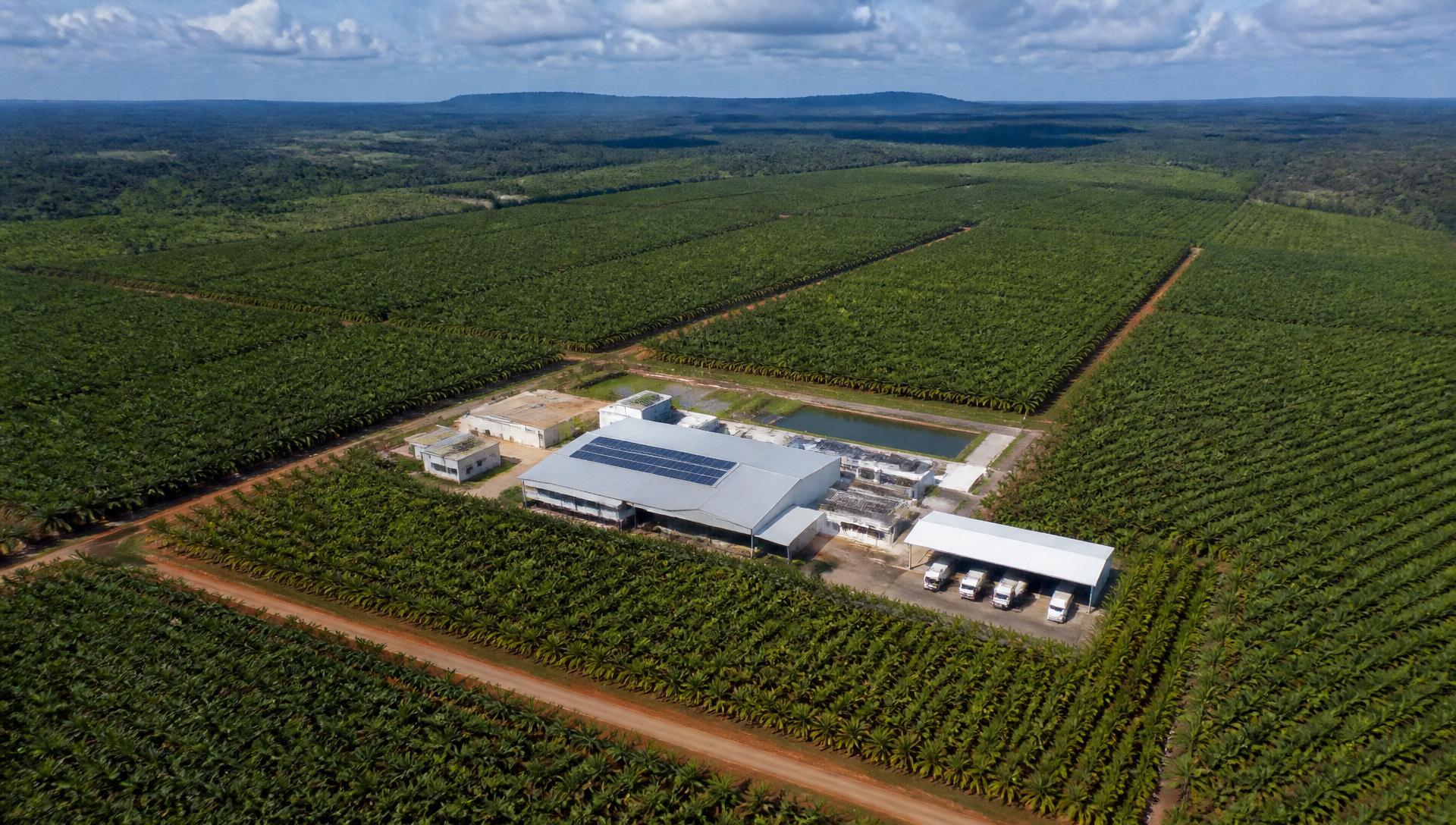
Why responsible sourcing, transparency, and resilient supply chains are becoming essential for long-term success in international trade.
Sustainability Is Changing the Way Companies Do Business
Not long ago, sustainability was often viewed as an optional initiative.
Companies highlighted recycling programs, reduced packaging, carbon footprint goals, and environmental campaigns. While these efforts remain important, today's international marketplace expects something much deeper.
Customers want to understand where products come from.
Retailers increasingly ask suppliers about traceability.
Regulators demand greater transparency.
Investors evaluate long-term business risks.
In today's global economy, sustainability has evolved beyond environmental messaging. It has become part of how resilient businesses operate and how lasting partnerships are built.
The conversation is no longer simply about protecting natural resources.
It is about creating supply chains that are transparent, dependable, and prepared for the future.
Responsible Sourcing Begins Long Before Production
Every finished product begins with a raw material.
For international buyers, understanding the origin of that material has become increasingly important.
Responsible sourcing means knowing where products originate, how they are produced, and whether supply chains can consistently deliver quality over time.
It also means building partnerships that promote transparency, reliability, and responsible business practices throughout every stage of production.
These principles influence far more than environmental outcomes.
They strengthen operational planning, improve product consistency, reduce supply uncertainty, and build greater confidence between suppliers and customers.
Increasingly, responsible sourcing has become a competitive advantage.
A Practical Example from the Açaí Supply Chain
One of the best ways to understand responsible sourcing is through Brazil's açaí industry.
For generations, wild-harvested açaí has provided an important source of income for communities throughout the Amazon. It remains an essential part of the region's economy and cultural heritage.
At the same time, businesses that rely exclusively on seasonal harvesting often face operational challenges.
Harvest volumes naturally fluctuate.
Weather conditions influence both yield and fruit quality.
Availability changes throughout the year.
As supply tightens, prices can increase rapidly while consistency becomes more difficult to maintain.
For companies serving international customers, these variables can affect production planning, inventory management, and long-term supply reliability.
One approach that is becoming increasingly common is the combination of responsible cultivation with long-term sourcing partnerships.
Unlike supply chains that depend entirely on seasonal harvesting, cultivated operations can provide greater production planning, improved traceability, and more consistent year-round availability.
At PB Trading USA, this philosophy influenced our sourcing strategy. By partnering with one of the largest cultivated açaí operations in the Amazon—covering more than 2,500 hectares (approximately 6,200 acres) of producing palms—we have been able to build a more resilient supply chain while improving consistency and long-term reliability for our customers.
Sustainability Also Means Stability
Responsible sourcing is about much more than protecting natural resources.
It is also about creating supply chains that customers can depend on.
Once harvested, the fruit is processed close to its origin before being transported to a modern manufacturing facility where finished products are produced under rigorous quality standards.
Every step is designed to preserve product quality while maintaining visibility throughout the supply chain.
This integrated model emphasizes:
- Traceability
- Product consistency
- Responsible agricultural practices
- Compliance with Brazilian labor regulations
- Long-term production stability
- Reliable year-round supply
The Supply Chain Journey
From responsible cultivation to reliable delivery for global customers.
- 01
Responsible Cultivation
Cultivated açaí palms and managed year-round production.
- 02
Processing Near Origin
Fruit processed close to the source to preserve quality.
- 03
Modern Manufacturing
Finished products produced under rigorous quality standards.
- 04
International Logistics
Cold-chain handling and coordinated export operations.
- 05
Global Customers
Reliable delivery to buyers, distributors, and food-service partners.
These advantages benefit everyone involved—from growers and manufacturers to distributors, retailers, food service operators, and ultimately the consumer.
The Future Belongs to Transparent Supply Chains
Around the world, buyers are asking more informed questions than ever before.
Where was this product grown?
Can its origin be verified?
Is the supplier capable of delivering consistent quality?
Can production continue during periods of market disruption?
These questions are becoming just as important as price.
Companies that invest in transparency, responsible sourcing, and resilient partnerships are better positioned to build long-term customer relationships and adapt to changing market expectations.
In many industries, sustainability has become less about making promises and more about demonstrating operational excellence.
Looking Ahead
The future of international trade will be shaped by businesses that combine efficiency with responsibility.
Customers increasingly value suppliers that understand where their products come from, maintain reliable sourcing partnerships, and invest in long-term resilience rather than short-term gains.
Sustainability is no longer a separate business initiative.
It has become part of operational excellence.
The companies that will lead tomorrow's global marketplace are unlikely to be those making the loudest sustainability claims.
They will be the organizations that quietly build transparent supply chains, strengthen trusted partnerships, and consistently deliver products their customers can depend on.
Because true sustainability is not simply about protecting tomorrow.
It is about building a stronger business today.
Responsible sourcing is where sustainability, product quality, and long-term business resilience come together.
Editor's Perspective
Why We Made This Decision
When we first entered the international açaí market, one lesson became clear very quickly:
The quality of the finished product is determined long before it reaches the manufacturing line.
Over the years, we've seen how weather patterns, seasonal fluctuations, and inconsistent raw material availability can create challenges throughout the supply chain. Even manufacturers with excellent production standards can only work with the fruit they receive.
That experience changed the way we think about sourcing.
Instead of asking only, "Who can supply us today?", we began asking a different question:
"Who can help us build the same level of quality and consistency five years from now?"
That shift in thinking ultimately led us to establish a long-term partnership with one of the largest cultivated açaí operations in the Amazon.
For us, the decision wasn't simply about increasing production capacity.
It was about creating predictability.
It was about knowing that our customers can continue receiving consistent products throughout the year.
It was about reducing uncertainty before it ever reaches the manufacturing process.
Most importantly, it reflects something we believe applies to every industry:
The strongest supply chains are built through long-term relationships, not short-term transactions.
— The PB Trading USA Team
Why It Matters
Sustainability has become an essential component of modern international trade. Businesses that prioritize responsible sourcing, transparency, and resilient partnerships are better equipped to meet customer expectations, adapt to changing market conditions, and create long-term value across the entire supply chain.
Key Takeaways
- Sustainability has evolved from a marketing initiative into a business requirement.
- Responsible sourcing strengthens transparency, resilience, and long-term reliability.
- Traceable supply chains improve product consistency and customer confidence.
- Cultivated agricultural partnerships can complement traditional harvesting by providing year-round supply stability.
- Businesses that invest in resilient supply chains are better prepared for the future of global trade.
Continue Reading
- The New Geography of Global Trade
- The Modern Supply Chain: From Efficiency to Resilience
- The New Rules of Global Trade